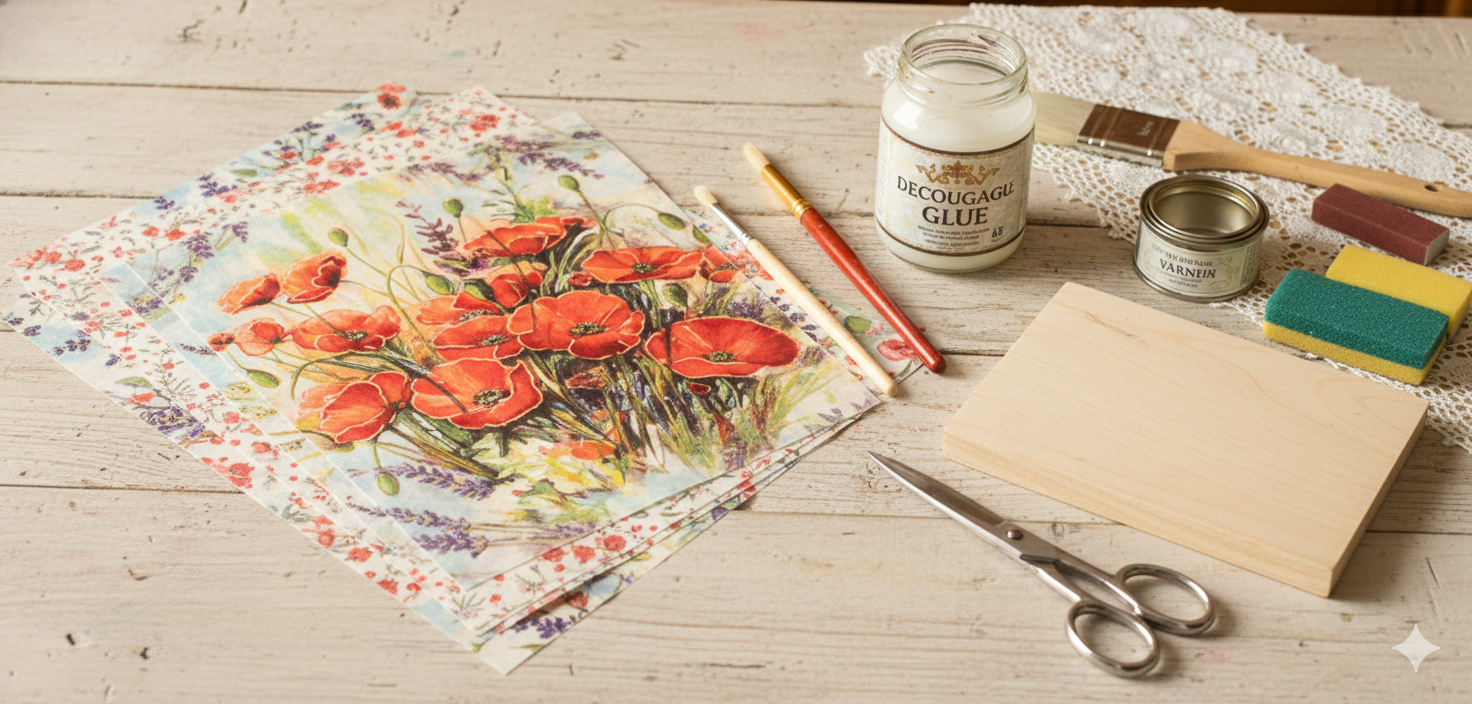
When it comes to creating elegant, long-lasting craft projects, selecting the right materials makes all the difference. One of the most popular and versatile materials in DIY artistry today is printed rice paper for crafts. Known for its delicate fibers, lightweight structure, and beautiful printed designs, rice paper is a favorite among furniture artists, mixed media creators, and home décor enthusiasts.
However, not all rice papers are created equal. If you want professional results, understanding how to choose rice paper for crafts is essential. In this guide, we’ll explore what makes high-quality rice paper, how to use it properly, and how to achieve smooth, wrinkle-free results.
Why Printed Rice Paper Is Ideal for Découpage
Découpage is the art of decorating surfaces by applying printed paper designs and sealing them with protective finishes. Compared to regular printer paper or napkins, decorative rice paper sheets offer several advantages:
- Strong yet flexible natural fibers
- Lightweight structure that blends into surfaces
- Resistance to tearing during application
- Minimal wrinkling when applied correctly
- Beautiful, high-definition printed artwork
Because of these qualities, many artists consider rice paper the best rice paper for découpage when working on furniture, trays, boxes, canvases, and even wall décor.
Understanding Quality: What Makes the Best Rice Paper for Découpage?
If you’re searching for the best rice paper for découpage, look for the following characteristics:
1. Fiber Distribution:
High-quality rice paper has visible natural fibers evenly distributed across the sheet. These fibers enhance durability and help the paper blend seamlessly into painted surfaces.
2. Thickness and Weight
Rice paper typically ranges between 28–35 gsm. Too thin, and it may tear easily. Too thick, and it may not adhere smoothly. A balanced weight ensures durability without sacrificing flexibility.
3. Print Clarity
Premium printed rice paper for crafts should have crisp, vibrant designs. Blurry or faded prints can ruin an otherwise beautiful project.
4. Color Fastness
Good-quality rice paper resists color bleeding when glue or sealant is applied. Always test a small section if you’re unsure.
5. Design Versatility
From florals to vintage typography, the design selection matters. The Queen of Hearts rice paper collection, for example, is ideal for romantic, gothic, or whimsical-themed projects, offering detailed artwork that stands out beautifully on furniture and decorative pieces.
How to Choose Rice Paper for Crafts: A Practical Guide
Choosing the right paper depends on your project type and surface. Here’s how to make the best decision:
Match the Paper to the Surface
- Furniture: Choose medium-weight rice paper for better durability.
- Small décor items: Lightweight sheets work well for boxes, frames, and trays.
- Curved surfaces: Thinner rice paper adapts more easily.
Consider the Background Color
Rice paper is slightly translucent. If your surface is dark, the design may appear muted. For bold artwork like pieces from the Queen of Hearts rice paper collection, a light base coat enhances vibrancy.
Check Project Size
Ensure the sheet size fits your design plan. Large-format decorative rice paper sheets reduce the need for patching or overlapping.
How to Use Rice Paper for Découpage (Step-by-Step)
Understanding how to use rice paper for découpage correctly ensures a smooth, professional finish.
Step 1: Prepare the Surface
Clean thoroughly and sand if necessary. Apply a primer or base paint and allow it to dry completely.
Step 2: Plan Your Layout
Place the rice paper on the surface without glue to visualize placement. Trim excess edges gently.
Step 3: Apply Adhesive
Use a high-quality découpage medium or glue. Apply a thin, even layer to the surface—not the paper.
Step 4: Position the Rice Paper
Carefully place the paper starting from the center, gently pressing outward.
Step 5: Smooth the Surface
Use a soft brush or plastic scraper to remove air bubbles.
Step 6: Seal the Design
After drying completely, apply a protective topcoat for durability.
How to Avoid Wrinkles in Découpage
Wrinkles are one of the most common beginner frustrations. If you’re wondering how to avoid wrinkles in découpage, follow these expert tips:
- Use thin, even layers of adhesive
- Avoid over-saturating the paper
- Work from the center outward
- Use a soft, wide brush
- Allow proper drying time between layers
- Avoid working in overly humid environments
Because rice paper is stronger than napkins and thinner than cardstock, it naturally reduces wrinkling when applied correctly. Choosing high-quality printed rice paper for crafts significantly improves results.
Decorative Rice Paper Sheets for Creative Themes
The variety available today allows artists to create themed décor pieces effortlessly. Some popular themes include:
- Vintage florals
- Botanical illustrations
- French typography
- Rustic farmhouse prints
- Gothic romance
- Whimsical fantasy
Collections like the Queen of Hearts rice paper collection are especially popular for statement furniture pieces. The detailed artwork makes it easier to transform plain cabinets, dressers, or wall panels into bold decorative accents.
Expert Tips for Professional Results
To elevate your projects and align with best practices:
Seal Porous Surfaces First
Unsealed wood absorbs glue unevenly, causing bubbles.
Use Quality Brushes
Cheap brushes can leave streaks or bristle marks.
Sand Between Layers
Light sanding between seal coats creates a smoother finish.
Practice on Small Pieces
If you’re new to how to choose rice paper for crafts, experiment with smaller décor items before tackling large furniture projects.
Safety and Material Considerations
From a craftsmanship perspective, always:
- Use non-toxic, water-based adhesives when possible
- Work in a ventilated area
- Store rice paper flat in a dry space
- Keep away from moisture before use
These small steps ensure both safety and long-term quality of your decorative pieces.
Why Choosing Quality Matters
Inferior paper may tear, bleed, or wrinkle excessively, leading to frustration and wasted materials. Investing in premium decorative rice paper sheets ensures:
- Longer-lasting results
- Professional appearance
- Easier application
- Reduced risk of bubbling and tearing
Whether you’re working on heirloom furniture or small decorative accents, selecting the best rice paper for découpage is an investment in your craftsmanship.
Conclusion
Choosing the right printed rice paper for crafts is more than selecting a beautiful design—it’s about understanding material quality, application techniques, and project compatibility. From learning how to choose rice paper for crafts to mastering how to use rice paper for découpage and preventing wrinkles, each step contributes to a flawless finish.
If you’re looking for premium decorative rice paper sheets, including unique themed collections like the Queen of Hearts rice paper collection, explore the curated selection available at VFlex. High-quality materials make every creative vision easier to achieve and help transform ordinary surfaces into timeless works of art.
Frequently Asked Questions (FAQs)
1. What makes rice paper better than regular paper for découpage?
Rice paper contains natural fibers that make it stronger and more flexible. It blends smoothly into surfaces and reduces wrinkling compared to regular printer paper.
2. How do I avoid wrinkles in découpage projects?
Apply thin layers of adhesive, smooth from the center outward, and avoid oversaturating the paper. Using quality rice paper also significantly reduces wrinkles.
3. Can I use printed rice paper for crafts on furniture?
Yes, it works beautifully on furniture when sealed properly. It’s one of the most popular materials for decorative furniture makeovers.
4. Do I need to seal rice paper after applying it?
Yes. A protective topcoat ensures durability, especially for high-touch surfaces like tables or cabinets.
5. Is the Queen of Hearts rice paper collection suitable for beginners?
Absolutely. Its detailed designs are easy to apply and ideal for both beginners and experienced artists.
6. How do I store decorative rice paper sheets?
Store them flat in a dry environment, away from humidity and direct sunlight, to prevent warping or damage.